



-
 Residential Roofing
-
 0 Comments
How to Get Leaves Off Your Roof Safely and Effectively
Leaves look harmless. On a roof, they trap water, clog gutters, and feed rot. In Houston and the Gulf Coast, that can mean leaks fast. You want a clean roof. You also want to stay safe. In this guide, we show you how to get leaves off roof surfaces the right way. We cover tools, methods, and safety rules. We also explain when to call a pro for roof debris removal so you do not risk a fall or damage your shingles.
We are Alliance Roofing Company, LLC. We have served Greater Houston since 1990. We are a local, family-owned roofing company in Pearland, TX. We are GAF Master Elite certified. Only 2 percent of roofers earn that. We take protection and safety seriously. Let us help you keep your roof clean and sound.
Why Leaves on Your Roof Are a Big Deal
Leaves do not just sit. They hold moisture. Moisture weakens shingles and flashings. It feeds algae and moss. It rusts metal. It invites pests. When leaves slide into gutters and downspouts, water cannot drain. It overflows. It runs behind fascia and soffits. It soaks the decking. Inside, it stains ceilings and walls. It can even short out electronics if the leak runs far enough.
Here is the hard truth:
- Wet leaf piles weigh a lot.
- Trapped moisture shortens roof life.
- Clogged gutters cause overflow.
- Long-term buildup leads to rot, mold, and interior damage.
The fix is simple. Keep the roof and gutters clear. The trick is doing it without getting hurt or wrecking your shingles. If you want a simple plan for how to get leaves off roof surfaces, start with safety and gentle tools.
Safety First: Rules You Do Not Break
Before we talk about roof cleaning tips, we start with safety. This part matters most.
Personal safety basics:
- Wear shoes with soft, grippy soles.
- Use a sturdy ladder with level feet.
- Tie the ladder at the top when possible and keep three points of contact.
- Never climb when shingles are wet, icy, or blazing hot.
- Wear eye protection and gloves.
- Avoid high wind days.
- Do not go on steep roofs. If the pitch looks risky, it is.
Property safety basics:
- Protect landscaping under the eaves.
- Shut off power to nearby exterior outlets before spraying water.
- Keep blowers and tools away from skylights and solar panels.
- Avoid scraping, prying, or pressure washing shingles.
If any of this feels shaky, stop. To remove leaves from roof surfaces safely, skill matters more than speed. Calling a pro may cost less than a trip to urgent care or a full roof repair.
The Right Tools for Roof Debris Removal
You do not need fancy gear. You need a light touch.
Helpful tools:
- Leaf blower, low to medium setting
- Soft broom or roof brush with a long handle
- Garden hose with a standard nozzle, not a pressure washer
- Gutter scoops or small trowels
- Contractor bags or tarps
- Ladder stabilizer to protect gutters
- Safety rope and harness for steep or high roofs
Tools to avoid:
- Pressure washers, they strip granules and lift shingles
- Metal rakes, they gouge shingles and flashing
- Harsh chemicals, they can stain, corrode, and void warranties
We favor gentle methods. Your shingles will thank you. If you want how to get leaves off roof methods that do not harm shingles, these tools are the way to go.
Step-by-Step: How to Get Leaves Off Roof Without Damage
Use this simple process to keep things safe and effective.
1) Prep the Area
Clear the ground. Move patio furniture, potted plants, and vehicles away from the eaves. Lay a tarp where leaf piles will drop so cleanup is easy.
2) Inspect From the Ground
Walk around. Use binoculars if you have them. Note heavy leaf drifts, valleys, skylights, and low-slope spots. Check for missing shingles, cracked boots, and rusted flashings. If you see damage, call us before you start.
3) Secure Your Ladder
Set it on level ground. Use a stabilizer to keep pressure off the gutters. Extend it at least three feet above the eave for a stable step-on and step-off point.
4) Start at the Ridge and Work Down
If it is safe to walk, move slowly. Keep your weight over framing near ridges and over rafters. Never step on skylight glass or near brittle vents. Keep your feet flat and your steps steady.
5) Use a Blower on Low
Aim the blower across the shingle surface. Let the air move the leaves. Do not jam the nozzle into the roof. Keep it gentle to avoid lifting tabs or blasting granules. Work from top to bottom and toward the eaves.
6) Brush What the Blower Misses
In valleys or stuck corners, use a soft broom. Light strokes only. Push leaves downward with the shingle grain. Do not pull upward under the tabs.
7) Clear the Gutters and Downspouts
This is a must. Scoop out leaf mats. Flush with a garden hose. Watch the downspout discharge. If water backs up, clear the elbow. Add splash blocks or extensions to send water away from the foundation.
8) Rinse Lightly, Optional
Use a low-flow hose to float fine debris down the roof. Avoid strong jets. Aim downward. Never direct water up slope under shingles.
9) Bag and Dispose
Collect leaves from tarps. Do not leave wet piles against siding or foundation. They invite pests and mold.
10) Final Check
Look for disturbed ridge caps, lifted tabs, or exposed nails. If you see anything odd, shiny fasteners, cracked boots, loose flashing, grab photos and call us. We can help before small issues turn into leaks.
For homeowners asking how to get leaves off roof quickly and safely, these steps keep you on track without hurting the roof.
Roof Types and Special Notes
Not all roofs clean the same. Adjust your approach.
Asphalt shingles, most homes:
Use a blower and soft broom. Avoid scraping. Watch granule loss. Skip pressure washers.
Metal roofs:
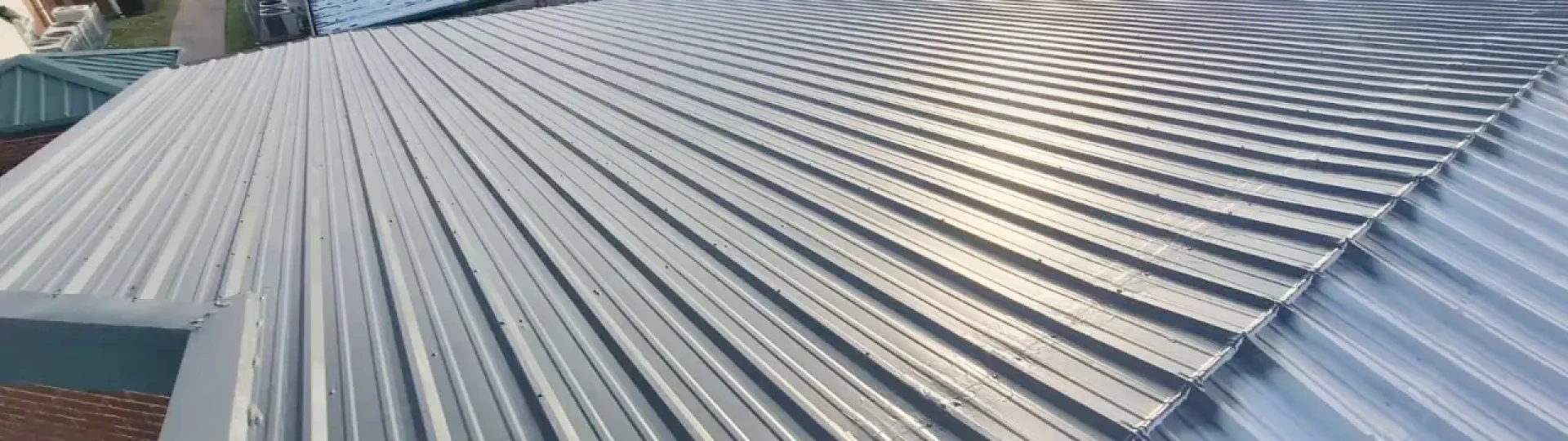
Often steeper and slick. Use extreme caution. A harness is smart here. Leaf removal is usually easy with a blower, but wet leaves can be slippery.
Tile roofs, clay or concrete:
Tiles can crack under point pressure. Avoid walking unless you know safe load paths. A pro is safer here. Brush and blow from a ladder or lift.
Flat and low-slope roofs, TPO or modified bitumen:
Leaves often clog drains and scuppers. Gently sweep and bag. Never drag heavy tools across membranes. Check seams and penetrations.
If your roof is steep or fragile, do not risk it. Professional roof debris removal is safer and often cheaper than fixing broken tiles or torn membranes.
The Benefits of Roof Cleaning, Beyond Curb Appeal
Clean roofs last longer. Simple as that. Here are the key benefits of roof cleaning:
- Longer roof life. Dry shingles resist rot and blistering.
- Leak prevention. Clear valleys, gutters, and flashings let water drain.
- Energy savings. Dry, light surfaces reflect heat better than algae covered ones.
- Pest control. Fewer nests and food sources for rodents and insects.
- Warranty protection. Many manufacturers require routine maintenance.
- Better inspections. It is easier to spot damage on a clean roof.
Think of cleaning as insurance. Small effort. Big payoff.
How Often Should You Remove Leaves From the Roof
In Greater Houston, we see leaf drops in waves from live oaks, pines, and storms. A simple schedule works well:
- Quarterly checks for homes with heavy tree cover
- After major storms and high winds
- Every fall and late winter for leaf drops and pollen mats
- Before hurricane season to confirm gutters are clear
If trees overhang your home, you may need monthly checks in peak drop seasons. Pair that with gutter guard solutions and a roof maintenance plan for the best results. If you need a reminder for how to get leaves off roof without delay, set a seasonal checklist on your calendar.
Gutter Guards: Helpful, Not Magic
Gutter guards help a lot. They do not end maintenance. Pine needles, oak tassels, and seed pods still collect on top. They must be swept off or blown away. Guards reduce downspout clogs, but valleys, dormers, and behind chimney areas still trap debris. Keep an eye on those spots.
Common Trouble Spots You Cannot Ignore
We see the same areas cause leaks again and again:
- Valleys. Leaf dams form fast and push water sideways.
- Wall abutments and step flashing. Debris traps water under siding.
- Plumbing boots and roof jacks. Rubber cracks, leaves hide it.
- Skylights. Corners collect leaf piles. Flashing becomes submerged.
- Satellite dish mounts. Screws and sealant fail. Debris hides the leak.
- AC service areas on commercial roofs. Punctures and dropped screws are common.
If you find any of these covered in wet leaves, clean the area gently. Then inspect the flashing and seals. If you are not sure what you are seeing, take photos and call us. Early repair saves money.
What Not to Do When You Remove Leaves From Roof Surfaces
Short list. Big stakes.
- Do not pressure wash shingles.
- Do not use metal rakes or sharp tools.
- Do not spray water uphill.
- Do not walk on brittle, hot, or wet shingles.
- Do not ignore gutters.
- Do not work alone on steep or high roofs.
- Do not wait until there is a leak.
Take it easy. Take your time. Or let us handle it.
DIY vs. Professional Roof Debris Removal: Where Is the Line
DIY is fine for small, safe jobs. A single story, low slope roof with light coverage is manageable with a blower, broom, and care. But if any of these apply, call a pro:
- Roof is steep, high, or slick
- You see algae, moss, or heavy sludge
- There are tile, slate, or specialty materials
- You spot cracked boots, exposed nails, or loose flashing
- You have complex valleys, dormers, or multiple stories
- You are dealing with commercial TPO or modified bitumen systems
A professional team brings trained eyes, harnesses, and the right touch. We clean and we inspect. We catch problems before they spread. That is the difference. If you are unsure how to get leaves off roof areas with tricky slopes, call us first.
Pro Methods We Use, And Why They Are Safer
At Alliance Roofing Company, we tailor the method to the roof:
- Asphalt shingles. Low pressure air, soft brushing, and careful hand removal in valleys.
- Metal roofing. Controlled air and staged access with tie offs.
- Tile roofing. Minimal foot traffic, distributed weight, and strategic ladder placement.
- Commercial TPO or Modified. Debris sweep, drain and scupper clearing, seam and flashing check, and gentle rinses.
We also document conditions with photos. If we see cracked flashing, failed caulking joints, or punctures from trade work, AC techs are frequent culprits, we note it and propose a fix. That is how we protect your roof and what is under it.
Roof Cleaning Tips That Save You Time and Money
Let us keep it simple and effective:
- Trim back branches that hang over the roof. It cuts debris by half or more.
- Use tarps during cleanup. Bagging is faster.
- Work on dry days so leaves move easily.
- Clean the gutters first if they overflow. That reduces roof wash back.
- Check after storms. Wind drives debris into valleys.
- Schedule maintenance yearly or semi annually.
- Take photos before and after. You will spot changes faster next time.
These small steps prevent big bills. If you want a fast refresher on how to get leaves off roof surfaces, return to this list before you start.
When Cleaning Reveals a Bigger Problem
Sometimes a quick clean shows real damage:
- Soft spots underfoot
- Missing granules and bare fiberglass
- Loose, rusted, or bent flashing
- Cracked or shrunken boots around pipes
- Lifted shingle tabs or exposed nails
- Stains inside, around ceiling edges or can lights
Stop and call us. Pushing forward can cause leaks or injuries. We can assess, repair, and, if needed, coordinate with insurance. Many leaks start small. Fast action avoids major interior damage to Sheetrock, carpet, and electronics.
The Alliance Roofing Advantage
We have done this since 1990. We are a GAF Master Elite roofing contractor. That puts us in the top 2 percent nationwide and lets us offer enhanced manufacturer backed warranties. We serve homeowners and businesses across Greater Houston from Pearland, TX. Our team trains often. We use proven methods. We treat your home like our own.
We also do more than clean. We install and repair composition shingle roofs, TPO systems, standing seam metal, and tile. We handle residential roofing services and commercial roofing services, siding, exterior painting, windows, and roof maintenance plans. We solve roof leaks from bad flashings to AC punctures on flat roofs. We know where problems hide. We find them and fix them.
For anyone asking how to get leaves off roof without harm, our trained crew brings safe access, gentle tools, and careful inspections that catch issues early.
Quick Checklist: How to Get Leaves Off Roof Safely
- Pick a dry, calm day
- Set a stable ladder with a stabilizer
- Wear grippy shoes and eye protection
- Use a blower on low and a soft broom
- Work top down with the shingle grain
- Clear gutters and flush downspouts
- Light rinse only, never up slope
- Bag debris and check common leak points
- Photograph issues and call if you see damage
Print it. Use it. Or hand it to us, we will take it from here.
Final Thoughts
Keeping leaves off your roof is not about looks. It is about protection. Water needs a clear path. Debris blocks that path and causes damage you cannot see until it is too late. With the right tools, a steady ladder, and a gentle touch, you can manage light cleanups. Steep roofs, fragile materials, and complex details call for trained crews. That is the safest way to remove leaves from roof surfaces without wrecking the system that shields your home.
Clean often. Inspect as you go. Fix small things fast. That is how you protect your roof, your walls, and everything under them. If you ever need a quick reminder on how to get leaves off roof surfaces, come back to this guide and follow the steps.
How Alliance Roofing Company Can Help
We are Alliance Roofing Company, LLC, your local Pearland, TX roofing team serving Greater Houston since 1990. As a GAF Master Elite roofer with an A+ BBB rating, we deliver safe, careful roof debris removal, gutter clearing, and full inspections that spot issues before they turn into leaks. We offer free estimates, Veterans Discounts, and GAF Roofs for Troops. Whether you need routine maintenance, leak repair, or a full replacement, we bring 35 plus years of experience, manufacturer backed warranties, and the promise to treat your home like our own. Call us at (281) 485-8755.
