



-
 Residential Roofing
 -
 0 Comments
How Long Does a Roof Last? Factors That Impact Your Roof’s Lifespan
Your roof is one of the most important parts of your home. It protects everything and everyone inside. But like any part of your house, it won’t last forever. So, how long does a roof last?
That depends on several things: the type of roofing material, how it was installed, the climate you live in, and how well you take care of it. In this guide, you’ll learn about the average roof lifespan, what affects it, and the signs you need a new roof. We’ll also compare common materials like asphalt and metal to help you make smart choices about maintenance and replacement.
Average Roof Lifespan by Material
Roofing material plays the biggest role in how long your roof lasts. Here’s a breakdown of the most common types and their typical lifespans.
Asphalt Shingles (15 to 30 Years)
- Most common type used in homes
- Low upfront cost
- Easy to install and repair
- The lifespan of asphalt shingles depends on quality
- Basic 3-tab: 15 to 20 years
- Architectural: 25 to 30 years
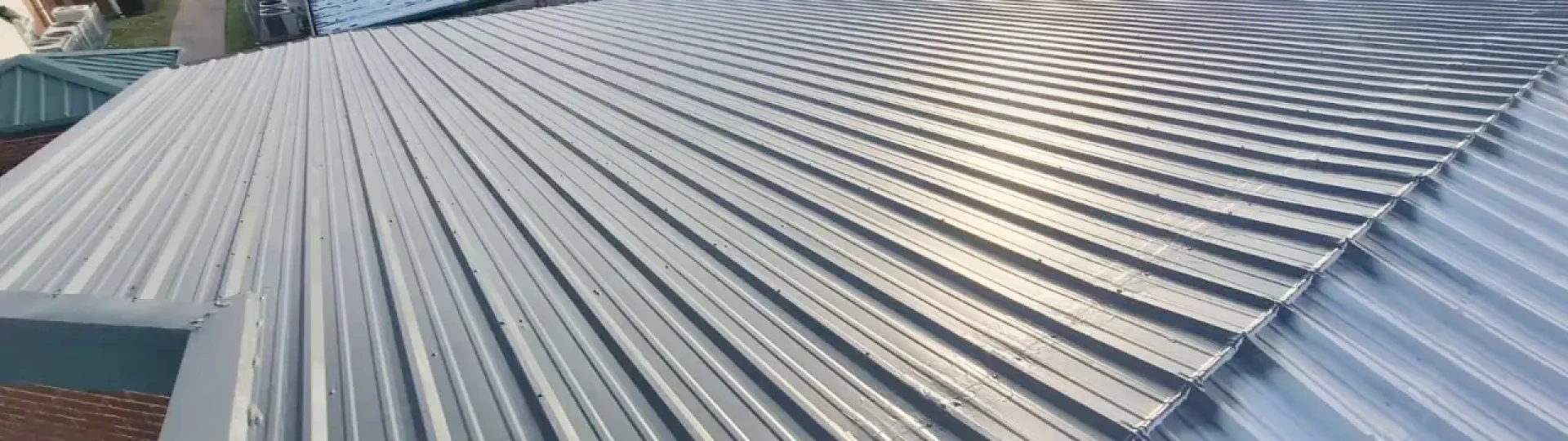
Metal Roof (40 to 70 Years)
- Very durable and long-lasting
- Handles wind, fire, and snow well
- Lower maintenance than shingles
- Metal roof lifespan is 40 years or longer with care
Wood Shingles and Shakes (20 to 40 Years)
- Made from cedar, redwood, or pine
- Natural look but needs regular upkeep
- Prone to mold, rot, and insects without treatment
- Not ideal for wet or wildfire-prone areas
Clay or Concrete Tile (50 to 100 Years)
- Often seen on homes in warm climates
- Heavy and requires extra roof support
- Long-lasting but expensive to install
- Resists fire and pests
Slate (75 to Over 100 Years)
- Natural stone with a unique look
- One of the longest-lasting roofing options
- Very heavy and costly
- Can last more than a century with regular care
If you’re not sure what type of roof you have or when it was last replaced, call a local roofer for an inspection.
What Affects How Long Your Roof Lasts?
Even strong roofing materials won’t last if other problems come into play. These are the main factors that impact your roof’s life.
Climate and Weather
Heavy snow, hail, high winds, and strong sun all wear down your roof faster. Asphalt shingles can crack under UV rays or break loose in storms. Metal roofs usually hold up better in harsh weather.
Ventilation and Insulation
Good airflow in your attic helps control heat and moisture. Without it, roofing materials wear out early, especially in hot or humid areas.
Installation Quality
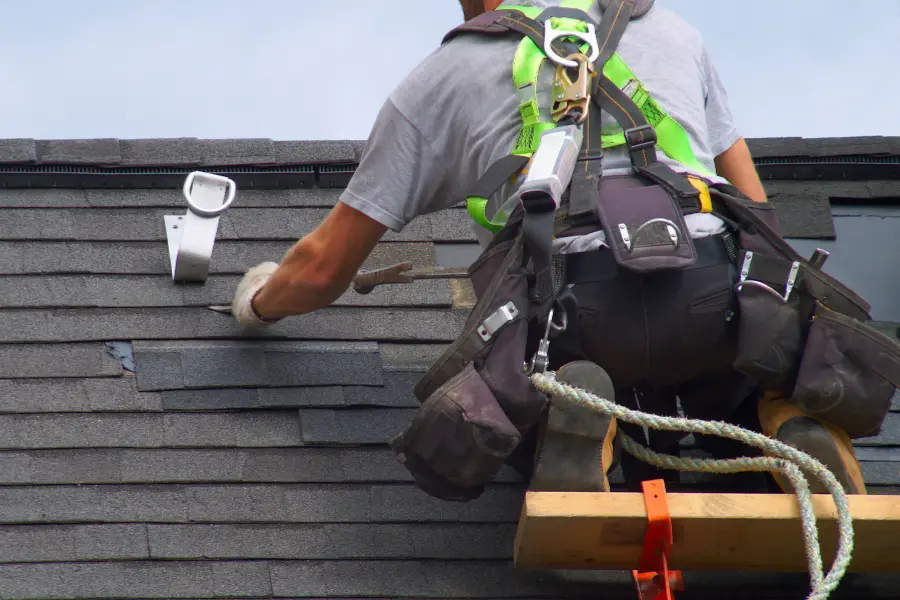
How your roof was installed matters just as much as the materials used. A poorly installed roof can fail in just a few years. A solid, professional installation helps your roof reach its full lifespan.
Roof Slope and Shape
Steep roofs shed water better than flat ones. If your roof holds water or snow, it can lead to leaks, mold, and early damage.
Ongoing Maintenance
Every roof needs attention now and then. Clean out gutters, trim trees, and replace cracked or missing shingles. Small fixes now can help you avoid big repairs later. Skipping maintenance can cut your roof replacement timeline short.
Signs You Need a New Roof
Your roof won’t last forever. These signs mean it might be time to replace it.
Missing or Damaged Shingles
If you see cracked, curled, or bare shingles, they’re no longer doing their job. Missing shingles expose the underlayer and make your roof more likely to leak.
Water Damage or Leaks
Stains on ceilings or attic walls mean water is getting in. You might also see mold or smell something musty. If leaks happen often, replacing the roof might be cheaper than constant repairs.
Sagging Roofline
A sagging roof is a red flag. It could mean serious water damage or a problem with the structure. Don’t ignore this one.
Moss or Algae Buildup
These hold moisture and slowly break down roofing materials. A little growth can be cleaned off, but if it’s thick or widespread, your roof may be wearing out.
Roof Age
If your roof is close to its expected end, start planning for replacement. Even if it looks okay, hidden damage could be waiting. For example, the lifespan of asphalt shingles is usually around 20 to 25 years. If you’re near that, get it checked.
Asphalt Shingles vs. Metal Roof: A Side-by-Side Look
Let’s compare the two most common options with a real-world example.
Imagine a family living in a Midwest suburb where summers are hot, winters bring snow, and storms can strike any season.
- Asphalt Roof: Lower upfront cost. Lasts about 20 to 25 years with care. Needs repairs after hail or strong winds. Easy to replace.
- Metal Roof: Higher initial cost. Lasts 40 years or more. Handles snow, hail, and heat better. Requires fewer repairs and helps lower cooling costs in summer.
Which is better? That depends on how long you plan to stay in your home. If it’s short-term, asphalt may work fine. If this is your forever home, metal may be the smarter long-term choice.
What to Expect When Replacing Your Roof
Knowing what happens during a roof replacement helps make the process easier.
Step 1: Inspection and Estimate
A roofing contractor checks the condition of your roof and gives you a quote. This includes materials, labor, and the time needed.
Step 2: Choosing Materials
You’ll pick the type of roofing that fits your home, climate, and budget.
Step 3: Tear-Off and Prep
The old roof is removed. The crew inspects the deck underneath for any hidden problems.
Step 4: New Roof Installation
The new materials are installed. This may take one to three days, depending on size and complexity.
Step 5: Clean-Up and Final Check
The crew removes debris, nails, and leftover material. The contractor does a final inspection to make sure everything is done right.
Tips to Extend Your Roof’s Lifespan
- Clean your gutters twice a year
- Trim trees that hang over your roof
- Check after storms for damage
- Fix small problems fast
- Schedule regular inspections
These steps help you delay replacement and avoid costly repairs.
Final Thoughts: So, How Long Does a Roof Last?
There’s no one-size-fits-all answer. The average roof lifespan depends on what it’s made of, how it’s installed, where you live, and how well you care for it.
If you have asphalt shingles, you can expect 15 to 30 years. Metal roofs often last 40 to 70 years. Other materials may last even longer, but come with higher costs and maintenance needs.
Pay attention to the signs you need a new roof, especially as your roof ages. And don’t wait for a major leak to take action.
Need Help with Your Roof?
Our team has years of hands-on roofing experience and offers inspections, maintenance, and full roof replacement. Whether you’re dealing with leaks, storm damage, or just an old roof, we’ll guide you through the process and provide honest, quality service you can count on.

