



-
 Uncategorized
 -
 0 Comments
Leaky Roof Repair Tips to Stop Small Issues Before They Turn Into Major Problems
A small roof leak can seem harmless at first. Many homeowners notice a faint water stain, a slight drip during heavy rain, or a small patch of discoloration and assume it is not urgent. However, even minor roof issues can quickly escalate into serious structural damage if they are ignored. Understanding leaky roof repair and acting early can prevent costly repairs and protect your home from long-term damage.
Roofs are constantly exposed to harsh conditions such as rain, wind, heat, and debris. Over time, even well-built roofing systems develop weak points. The key to avoiding major damage is knowing what to look for and addressing problems before they spread.
Early Warning Signs of a Roof Leak
One of the most important steps in preventing serious damage is recognizing the early signs of a leak. Roof problems rarely appear suddenly. Instead, they develop gradually and show subtle indicators.
Common warning signs include:
- Water stains on ceilings or walls
- Peeling paint or bubbling drywall
- Musty odors in attic spaces
- Damp insulation or visible moisture
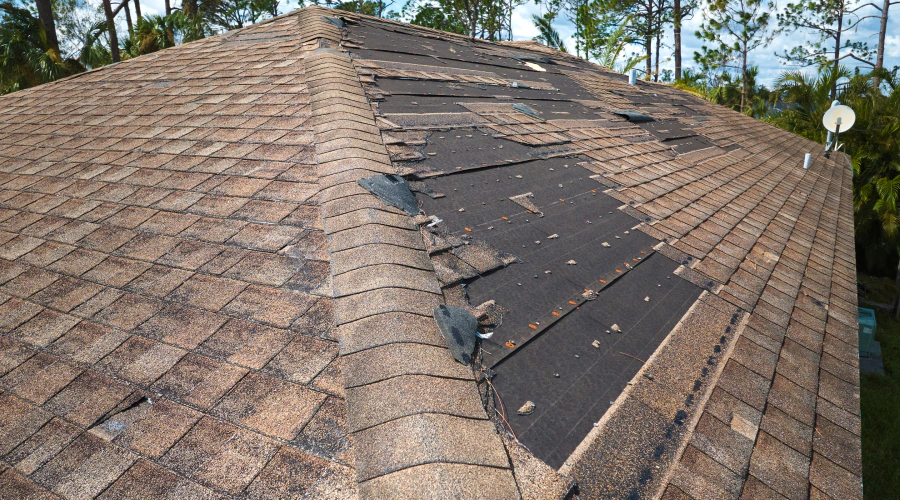
- Missing or damaged shingles
- Dark patches on roofing surfaces
These signs often indicate the need for roof leak repair, even if the leak itself is not immediately visible. Water can travel along beams and surfaces before showing up inside the home, making early detection especially important.
Why Small Roof Leaks Become Big Problems
A roof leak is not just a surface issue. It often signals a deeper problem within the roofing system. When water enters even a small opening, it can spread through insulation, wood framing, and drywall.
Over time, this moisture can lead to mold growth, wood rot, and weakened structural components. What begins as a minor drip may eventually require full roof leaking repair or even partial roof replacement.
Another concern is that leaks are often difficult to trace. The visible damage inside the home may be far from the actual entry point on the roof. This makes timely inspection and repair essential.
If ignored, even a small issue can compromise the integrity of the entire roofing system.
Common Causes of Roof Leaks
Understanding the cause of a leak is an important part of effective leaky roof repair. Roof leaks can develop for many reasons, including:
- Damaged or missing shingles
- Cracked flashing around vents or chimneys
- Worn sealant around roof penetrations
- Clogged gutters causing water backup
- Aging roofing materials
- Storm or wind damage
Each of these issues can allow water to enter the roofing system. Once moisture gets inside, it can spread quickly and affect multiple areas of the home.
Roof Leak Repair Options for Homeowners
There are several approaches to roof leak repair, depending on the severity and location of the issue. Some problems can be fixed quickly, while others require more extensive work.
1. Shingle Replacement
One of the most common repairs involves replacing damaged or missing shingles. This restores the protective outer layer of the roof and prevents further water intrusion.
2. Flashing Repair or Replacement
Flashing is used around roof joints, chimneys, and vents. When it becomes loose or damaged, it can create direct pathways for water. Repairing or replacing flashing is often a key part of roof leakage repair.
3. Sealant Application
Small cracks or gaps may be sealed using roofing-grade materials. While this is often a minor fix, it can be effective for early-stage leaks.
5. Underlayment Repair
If water has reached the layer beneath the shingles, sections of underlayment may need to be replaced to restore protection.
Each method plays a role in how professionals repair a leaking roof effectively and prevent future issues.
How Professionals Repair a Leaking Roof
While some homeowners attempt temporary fixes, professional repair is the most reliable way to ensure long-term results. Roofing systems are complex, and improper repairs can make problems worse over time.
When experts repair a leaking roof, they follow a structured process:
1. Inspection and Assessment
The roof is carefully inspected to locate visible and hidden damage. This includes checking shingles, flashing, vents, and attic areas.
2. Leak Detection
Professionals trace water paths to determine the exact entry point, which may be different from where the interior damage appears.
3. Damage Evaluation
Once the source is found, the surrounding area is evaluated to determine the extent of the damage.
4. Targeted Repair Plan
A specific roof leakage repair plan is created based on the type of damage and roofing material.
5. Repair Execution
Repairs are completed using proper materials and techniques to restore the roof’s protective barrier.
6. Final Inspection
The repaired area is checked to ensure the leak has been fully resolved and no additional weak points remain.
This process ensures that repairs address the root cause rather than just the symptoms.
Roof Leak Repair vs Temporary Fixes
Many homeowners attempt quick fixes such as tar patches or sealants when they first notice a leak. While these methods may temporarily slow water entry, they do not solve the underlying issue.
Temporary fixes often delay proper roof leak repair, allowing water damage to spread unnoticed. Over time, this can lead to more expensive repairs and additional structural problems.
A proper repair focuses on restoring the roof’s integrity rather than covering up the symptom. This ensures long-term protection and reduces the chance of recurring leaks.
Preventing Future Roof Leaks
Preventative maintenance is one of the best ways to reduce the need for frequent repairs. While no roof lasts forever, regular care can significantly extend its lifespan.
Helpful prevention steps include:
- Scheduling regular roof inspections
- Cleaning gutters and downspouts
- Removing debris from roof surfaces
- Checking attic ventilation
- Repairing small issues immediately
These simple actions can help reduce the risk of needing repeated roof leaking repair work and protect your home from long-term damage.
When to Call a Professional
Knowing when to seek help is critical. If you notice persistent stains, recurring leaks, or signs of moisture in your attic, it is time to contact a professional.
Delaying leaky roof repair can allow water to spread and cause hidden damage that becomes more expensive over time. Early intervention is always more effective and cost-efficient.
Professional roofers have the tools and experience to identify hidden leaks and ensure proper repairs are completed the first time.
Final Thoughts
A roof leak may start small, but its impact can grow quickly if ignored. Recognizing early warning signs and acting promptly is the key to preventing major damage. Whether it involves minor patching or more extensive roof leak repair, addressing the issue early protects both the structure and interior of your home.
Understanding how professionals repair a leaking roof and the importance of timely roof leakage repair helps homeowners make informed decisions. With proper attention and maintenance, you can extend the life of your roof and avoid unnecessary repairs in the future.

