


-
 Commercial Roofing
-
 0 Comments
Best Roofing Material: A Complete Guide for Homeowners
Choosing the right roof is one of the most important decisions homeowners make. A roof protects the home from weather, improves energy efficiency, contributes to curb appeal, and affects long-term maintenance costs. With so many roofing materials available today, selecting the right option can feel overwhelming.
From asphalt shingles and metal panels to tile and slate, every roofing system has different strengths, price points, and maintenance requirements. Understanding the types of roof materials available can help homeowners make informed decisions based on climate, budget, appearance, and durability.
This guide explores the different types of roofing materials, compares their pros and cons, and explains how to choose the best materials for roofing based on your home’s needs.
Why Roofing Material Matters
The roofing material you choose impacts more than just appearance. It affects how long your roof lasts, how well it performs during storms, and how much maintenance will be needed over time.
Some roofing materials are better suited for hot climates, while others perform better in areas with snow, wind, or heavy rain. Certain options also offer longer lifespans, making them a worthwhile long-term investment despite higher upfront costs.
When evaluating the best materials for roofing, homeowners should consider:
- Climate and weather exposure
- Budget and installation cost
- Desired appearance and style
- Maintenance expectations
- Roof lifespan and durability
- Energy efficiency benefits
Understanding these factors makes it easier to narrow down the right roofing system.
Asphalt Shingles: The Most Popular Roofing Option
Among all different types of roofing materials, asphalt shingles remain one of the most commonly installed choices for residential homes.
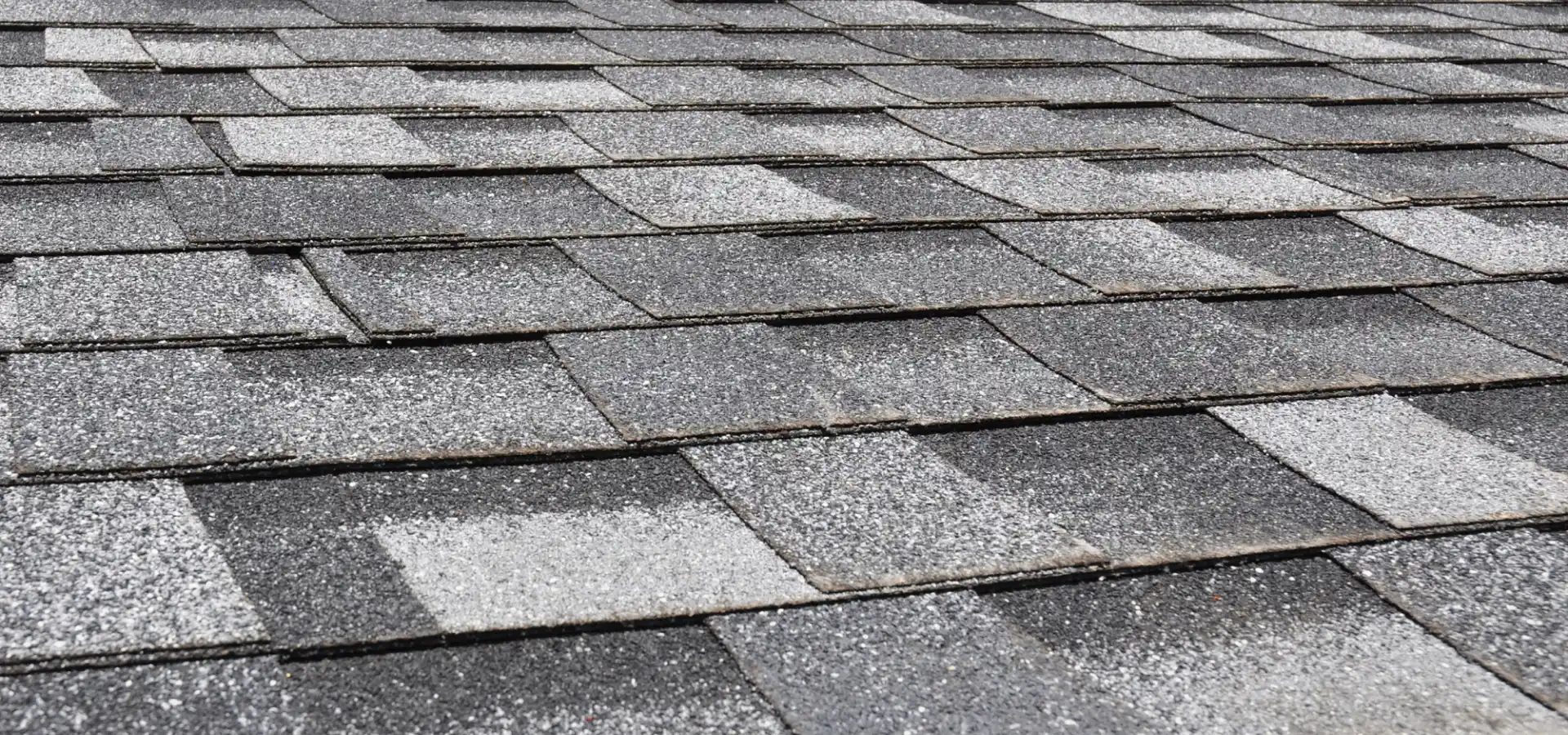
Shingles roofing materials are popular because they are affordable, easy to install, and available in many colors and styles. Asphalt shingles generally come in three-tab, architectural, or premium designs.
Benefits of Asphalt Shingles
- Lower upfront cost
- Wide range of colors and styles
- Easier repairs and replacement
- Good performance in many climates
Drawbacks
- Shorter lifespan than premium materials
- Can be vulnerable to strong winds or severe weather
- May require more frequent replacement
Most asphalt shingles roofing materials last between 15 and 30 years, depending on quality, climate conditions, and maintenance.
For homeowners seeking affordability and versatility, asphalt shingles are often considered one of the best materials for roofing.
Metal Roofing: Durable and Energy Efficient
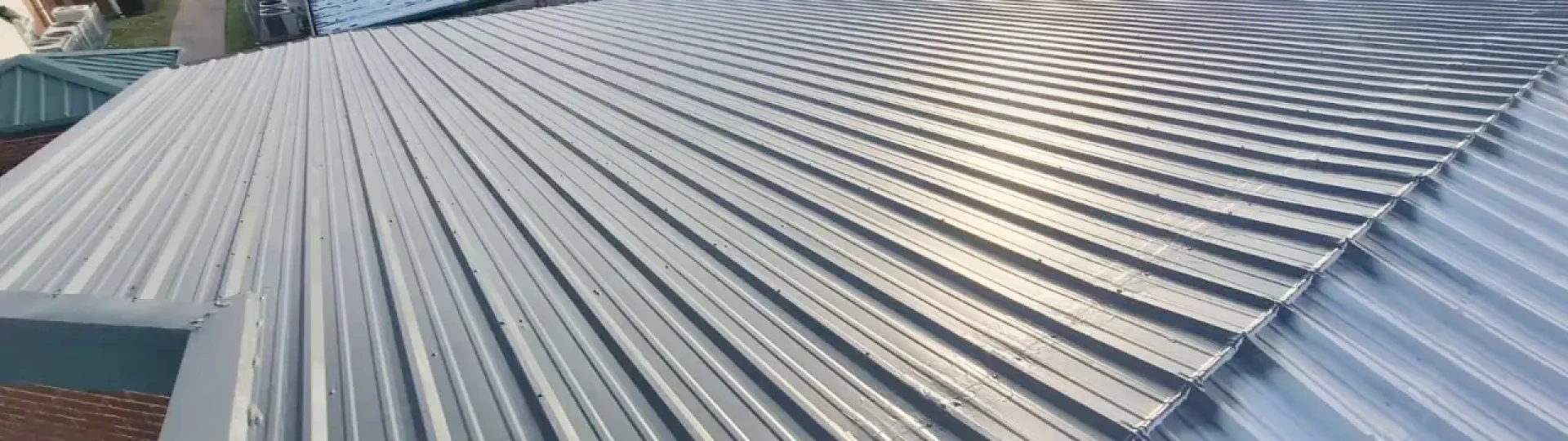
Metal roofing has become increasingly popular due to its durability and energy efficiency. Available in steel, aluminum, copper, and zinc, metal roofs provide strong resistance against harsh weather.
Benefits of Metal Roofing
- Excellent durability
- Fire-resistant properties
- Reflects sunlight for improved energy efficiency
- Low maintenance requirements
Drawbacks
- Higher upfront cost
- Can be noisier during heavy rain without insulation
- Repairs may require specialized expertise
Metal roofing performs especially well in areas with snow, rain, or high heat because it sheds moisture efficiently and resists cracking.
In many climates, metal is considered one of the longest lasting roof materials, with lifespans often ranging from 40 to 70 years.
Tile Roofing: A Classic and Durable Choice
Tile roofing offers a timeless appearance commonly associated with Mediterranean, Spanish, and Southwestern architecture.
Made from clay or concrete, tile roofing stands out for its durability and weather resistance.
Benefits of Tile Roofing
- Exceptional lifespan
- Resistant to insects and fire
- Performs well in hot climates
- Distinctive visual appeal
Drawbacks
- Heavy weight may require structural support
- Higher installation cost
- More fragile when walked on
Tile roofing can last 50 years or longer, making it one of the more durable types of roof materials available.
Homes in warm climates often benefit from tile because of its ability to reflect heat and improve energy efficiency.
Slate Roofing: One of the Longest Lasting Roof Materials
When discussing the longest lasting roof material, slate often tops the list.
Slate is a natural stone roofing product known for its unmatched durability and premium appearance.
Benefits of Slate Roofing
- Extremely long lifespan
- Elegant, upscale appearance
- Fire-resistant and weather-resistant
- Low maintenance
Drawbacks
- Very expensive installation
- Heavy material requiring structural reinforcement
- Repairs may require experienced professionals
A properly maintained slate roof can last 75 to over 100 years, making it one of the top choices for homeowners focused on longevity.
Although costly, many homeowners view slate as one of the best materials for roofing when long-term value matters most.
Wood Shake Roofing: Natural Beauty With Maintenance Needs
Wood shakes provide a rustic and natural appearance that appeals to homeowners seeking a traditional or cottage-style aesthetic.
Typically made from cedar, redwood, or pine, wood roofing creates a unique look but requires more upkeep than other roofing materials.
Benefits of Wood Shake Roofing
- Natural appearance
- Good insulation properties
- Distinctive curb appeal
Drawbacks
- Requires routine maintenance
- Vulnerable to moisture or pests if untreated
- May have fire restrictions in some regions
Wood shakes generally last 20 to 40 years depending on climate and maintenance.
Homeowners considering wood roofing should be prepared for periodic sealing and inspections.
Composite Roofing: Modern and Versatile
Composite roofing combines synthetic materials to imitate slate, wood, or tile while offering improved durability and lower maintenance.
Among newer different types of roofing materials, composite roofing has gained popularity for balancing appearance and practicality.
Benefits of Composite Roofing
- Lightweight construction
- Resistant to weather damage
- Variety of design options
- Lower maintenance than natural materials
Drawbacks
- Cost may exceed asphalt shingles
- Lifespan varies by manufacturer
Composite roofing works well for homeowners seeking premium aesthetics without the added weight or maintenance of natural materials.
Choosing Roofing Materials Based on Climate
Climate plays an important role when selecting roofing materials.
1. Hot and Sunny Climates
Tile and metal roofing often perform best because they reflect heat and resist UV damage.
2. Cold and Snowy Regions
Metal roofing works well because snow slides off easily. Asphalt shingles with strong wind ratings are also common.
3. Coastal or Humid Areas
Metal and composite roofing generally resist moisture better than wood-based systems.
4. Storm-Prone Areas
Impact-resistant shingles and metal roofs can offer better durability during severe weather.
Understanding local weather conditions helps homeowners choose among the types of roof materials that will perform best over time.
Factors That Affect Roof Longevity
Even the longest lasting roof material depends on several factors for maximum lifespan.
These include:
- Proper installation quality
- Regular roof maintenance
- Climate conditions
- Ventilation and insulation
- Storm exposure and debris
Routine inspections and prompt repairs can significantly extend the life of all roofing materials.
Final Thoughts
With so many different types of roofing materials available, there is no single perfect option for every homeowner. Asphalt shingles provide affordability, metal offers durability, tile adds timeless appeal, slate delivers unmatched longevity, and composite roofing balances performance with style.
Understanding the types of roof materials, maintenance needs, and expected lifespan helps homeowners choose the best materials for roofing based on budget and long-term goals.
Whether your priority is appearance, affordability, or selecting the longest lasting roof material, investing in the right roofing system can improve protection, energy efficiency, and home value for years to come.
