


-
 Uncategorized
-
 0 Comments
Inspect Your Roof for Hidden Storm Damage in Pearland, TX
Why Hidden Storm Damage Requires Immediate Attention
Storms in Pearland and the Greater Houston area leave more than just visible debris on your property. While missing shingles and broken gutters catch your attention immediately, the most dangerous damage often hides beneath the surface, waiting to cause expensive problems months or even years later. Hidden storm damage can compromise your roof’s structural integrity, lead to water infiltration, and result in mold growth that threatens your family’s health.
Understanding how to identify concealed damage protects your investment and prevents minor issues from escalating into major repairs. In Pearland’s humid subtropical climate, where summer heat can soften asphalt shingles and make them more vulnerable to wind damage, the combination of intense sun exposure and sudden severe weather creates unique challenges for roofing materials. After a storm passes through, taking time to conduct a thorough inspection can reveal problems that insurance adjusters might document for your claim, and it helps you make informed decisions about necessary repairs.
This guide walks you through the specific steps to check your roof safely and effectively. You will learn what to look for, where damage typically occurs, and when professional roof inspection services become necessary. While some warning signs are accessible to homeowners, others require the trained eye and safety equipment that professional roof repair services provide.
Checking Your Roof’s Surface for Wind and Hail Impact
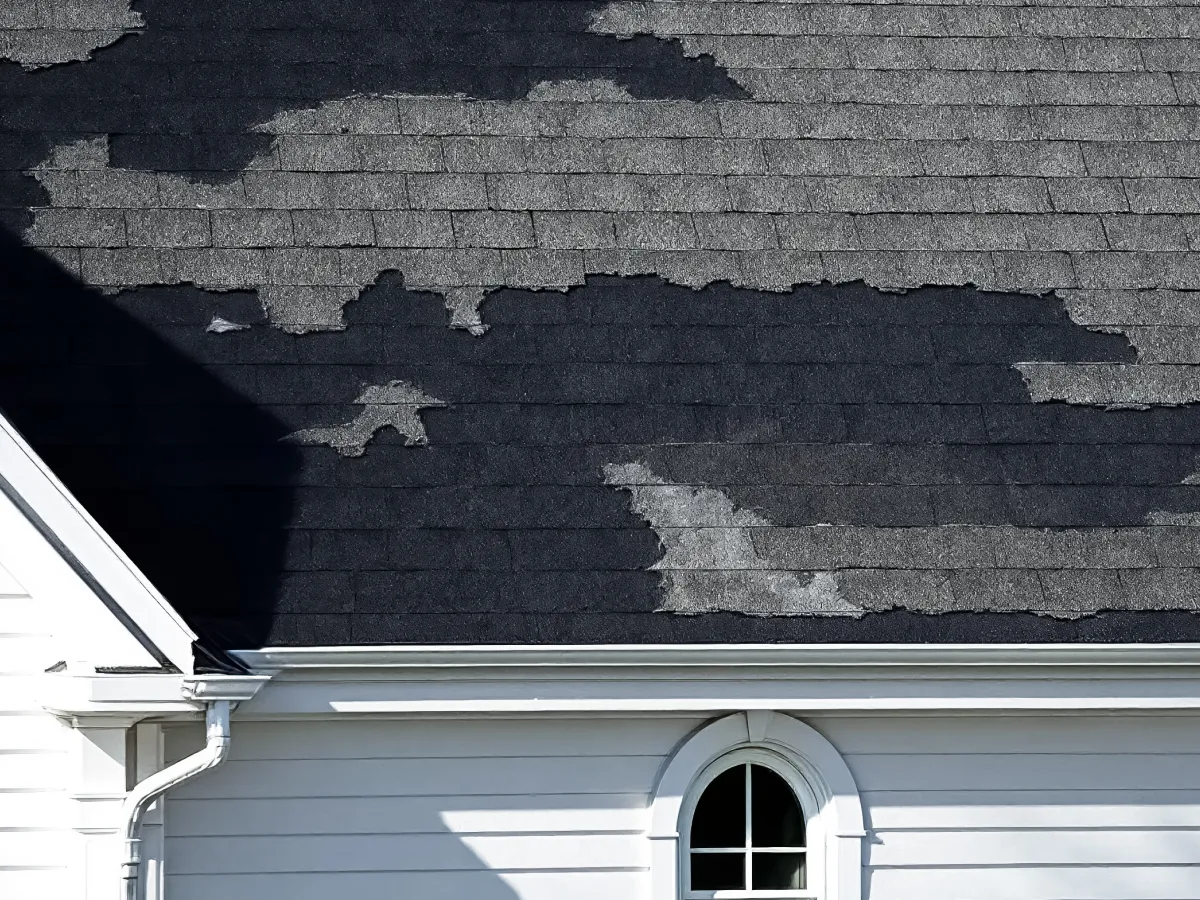
Begin your inspection from the ground using binoculars to examine your roof’s surface safely. Look carefully at the shingle pattern across the entire roof, paying particular attention to areas where different roof planes meet. Missing, cracked, or curling shingles indicate wind damage that may have allowed water to penetrate the underlayment. In Pearland, where summer storms often bring winds exceeding 60 miles per hour, even brief gusts can lift shingle edges and break the seal that keeps water out.
Check for granule loss by examining your gutters and downspouts after a storm. Excessive granules collecting in these areas suggest that your shingles have sustained hail impact or are deteriorating due to age combined with storm stress. The granular surface protects the asphalt layer from ultraviolet radiation, and when this protective coating disappears, shingles degrade rapidly under the intense Texas sun. You may notice bald spots or areas where the black asphalt base shows through, particularly on south-facing slopes that receive the most direct sunlight.
Inspect the flashing around chimneys, vents, and skylights. These metal strips seal the joints where your roof meets vertical surfaces, and storm winds frequently loosen or bend them. Water can enter through compromised flashing even when the surrounding shingles appear intact. If you notice gaps, rust spots, or sections where the flashing has pulled away from the roofing material, these areas need immediate attention from a qualified roofing contractor before water damage spreads to your home’s interior structure.
Identifying Water Intrusion from Inside Your Home
Your attic provides crucial evidence of roof damage that remains invisible from the outside. Wait for a sunny day and enter your attic with a flashlight, turning off any artificial lights. Look at the underside of the roof decking for small points of light penetrating through the boards. These pinpricks indicate holes where nails have worked loose or where shingles have separated enough to allow light through. Where light enters, water will follow during the next rain.
Examine the decking for water stains, dark streaks, or discoloration. Fresh water damage appears as darker patches on the wood, while older leaks create rings or yellowish stains. Pay special attention to areas around roof penetrations such as vent pipes, chimneys, and exhaust fans. The humid conditions common in Pearland accelerate mold growth once moisture enters your attic space, and you may detect a musty odor before you see visible mold colonies. If you notice any damp insulation, it indicates active or recent water infiltration that requires immediate investigation.
Check for sagging between rafters or any areas where the roof deck appears to dip or bow. This structural concern suggests that prolonged water exposure has weakened the decking material, or that heavy hail impact has damaged the underlying support. Sagging represents a serious safety issue that demands professional assessment. Additionally, inspect your insulation for compressed or matted sections, which indicate water saturation. Wet insulation loses its thermal properties and creates an environment for mold development, potentially requiring complete replacement along with addressing the source of the leak through professional roof damage repair.
Why Hidden Storm Damage Goes Unnoticed
While homeowner inspections help you identify obvious damage and make informed decisions, certain situations require the specialized knowledge and equipment that professional roofing services provide. If you discover any signs of structural damage, extensive water staining, or if your roof is particularly steep or high, contact a licensed roofing contractor rather than attempting to climb onto the roof yourself. Falls from roofs cause thousands of serious injuries annually, and no inspection is worth risking your safety.
Professional inspectors use moisture meters, infrared cameras, and other diagnostic tools to detect problems invisible to the untrained eye. They can identify subtle issues such as compromised roof decking, inadequate ventilation contributing to premature material failure, or manufacturing defects in roofing materials that your warranty might cover. After major storms in the Pearland area, insurance companies often require professional documentation of damage before approving claims, making a thorough professional inspection a valuable investment that can support your claim and ensure you receive appropriate compensation for repairs.
Schedule regular roof maintenance services to catch developing problems before they become emergencies. Preventive inspections typically cost far less than emergency repairs, and they extend your roof’s service life by addressing minor issues promptly. A maintenance relationship with a local roofing contractor means you have an established point of contact when storms strike, and your contractor already knows your roof’s history and condition. This familiarity allows for faster, more accurate damage assessment when you need it most.
If your inspection reveals any concerning signs, document everything with photographs and notes about locations and severity. This documentation supports insurance claims and helps contractors provide accurate repair estimates. Contact a reputable roof installation contractor who serves the Pearland area and can respond quickly to prevent further damage. Acting promptly after discovering storm damage protects your home, preserves your insurance coverage, and gives you peace of mind knowing that qualified professionals are addressing the issues correctly.
Remember that some damage becomes apparent only over time. A roof that appears fine immediately after a storm may develop leaks during the next heavy rain, or hail damage may not manifest until months later when the compromised shingles begin to fail. Establishing a relationship with a trusted local contractor now means you have someone to call when questions arise, and regular professional inspections provide ongoing protection for one of your home’s most important systems.
What You’ll Need for Your Inspection
Storm damage to your roof is not always immediately visible from the ground. Heavy rain, high winds, and hail can compromise your roofing system in ways that only become apparent weeks or months later, often after water has infiltrated your home and caused significant secondary damage. For homeowners in Pearland, TX, where severe weather events including Gulf Coast storms and sudden hailstorms are common throughout the spring and summer months, understanding how to identify hidden roof damage is essential to protecting your property investment.
This comprehensive guide walks you through a systematic inspection process that helps you detect storm damage before it escalates into costly repairs. Whether you experienced a recent weather event or simply want to assess your roof’s condition as part of routine maintenance, these steps will help you identify problems that require professional attention.
Many homeowners assume that if they don’t see missing shingles or obvious holes, their roof survived a storm intact. However, storm damage often manifests in subtle ways: granule loss that exposes asphalt shingles to UV degradation, small cracks in flashing that allow water penetration, or minor impacts that weaken the roof’s structural integrity over time. In the humid climate of Pearland, even small amounts of moisture intrusion can lead to mold growth, wood rot, and compromised insulation within weeks.
Insurance claims data shows that delayed discovery of storm damage frequently results in claim denials, as insurers may argue the damage occurred outside the policy period or resulted from lack of maintenance rather than a specific storm event. Conducting a thorough inspection within days of a severe weather event, and documenting your findings with photographs and notes, creates a clear record that supports insurance claims and helps you address problems before they worsen.
The inspection process outlined below requires no specialized tools beyond binoculars, a flashlight, a ladder (if you’re comfortable using one), and a smartphone camera. However, it’s important to prioritize safety: if your roof is steep, wet, or damaged, or if you’re uncomfortable working at heights, schedule a professional inspection instead. The cost of a professional roof inspection is minimal compared to the risk of injury or the expense of undetected damage.
